Industrial Mixers UK
PerMix Emulsifier
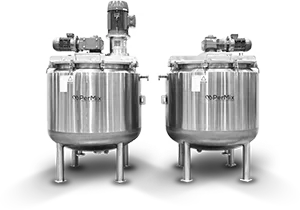
 PerMix Emulsifier UK | High-Shear Emulsification Systems
Best in Innovation • Best In Performance • Best In Quality • Best In Price • Best In Warranty
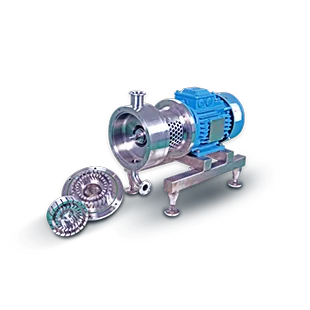
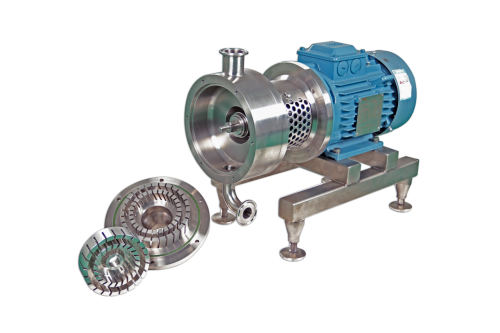
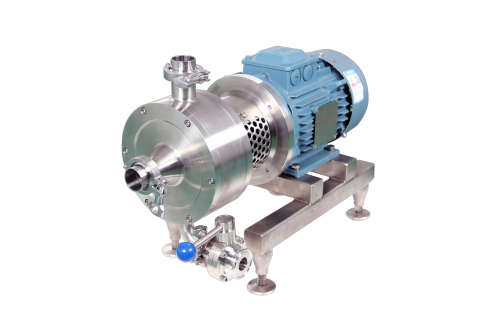
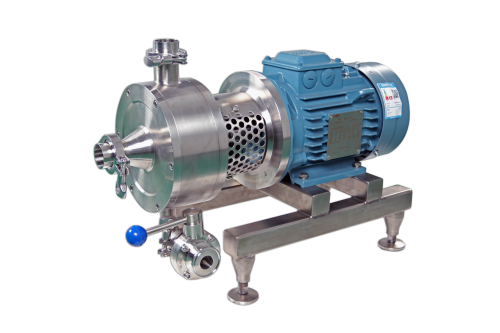
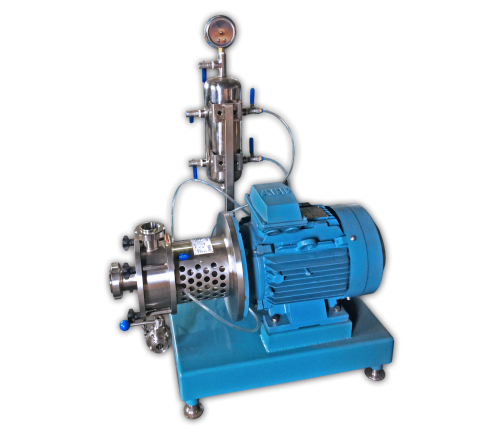
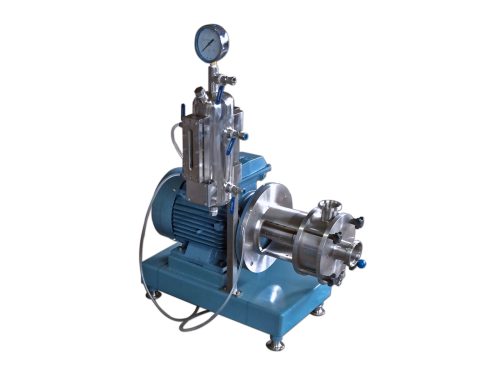
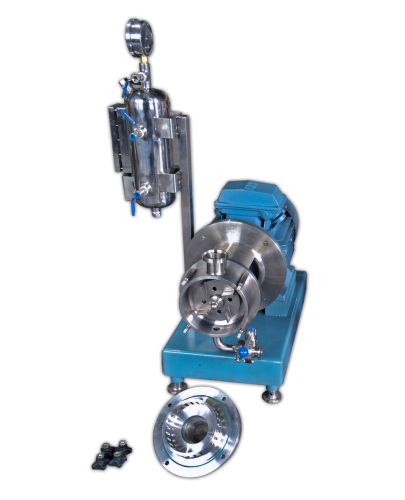
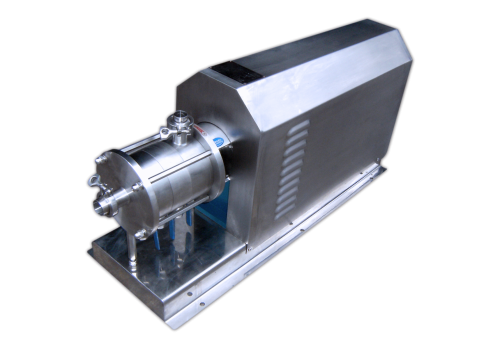
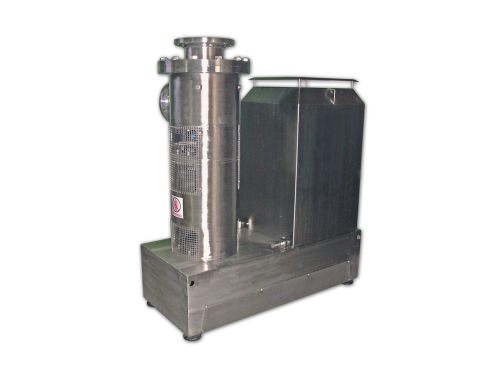
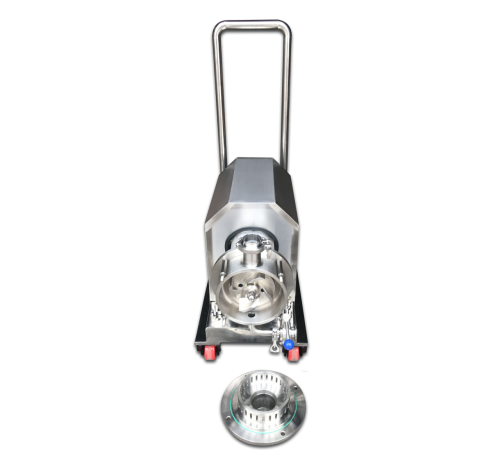
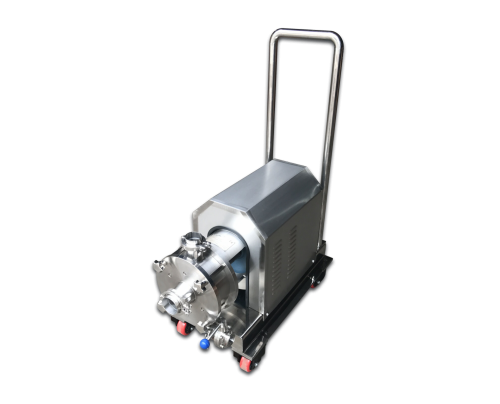
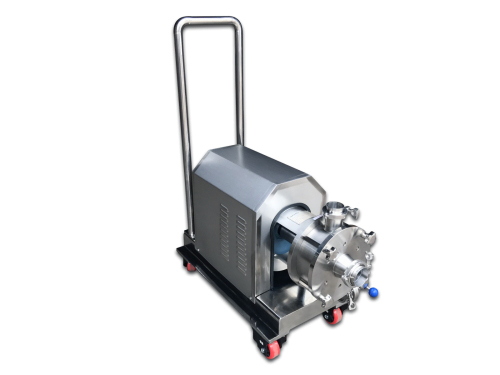
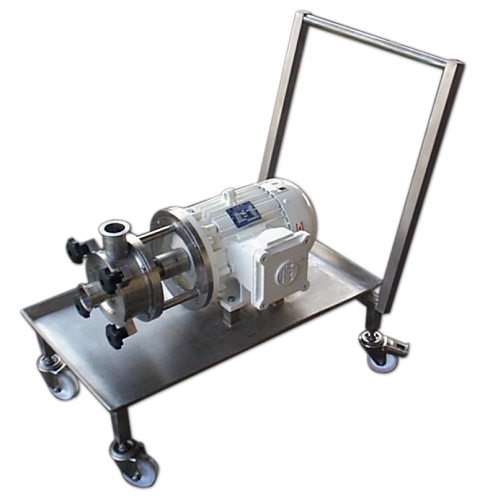
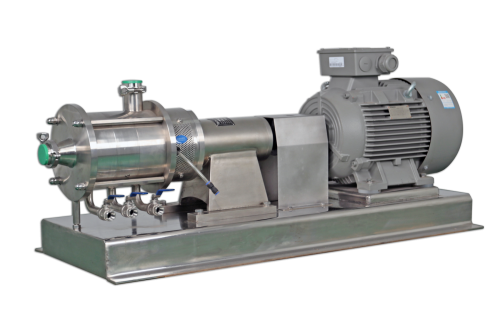
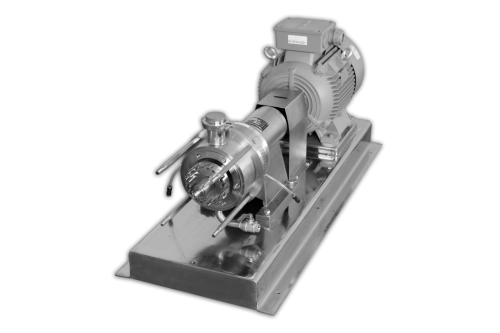
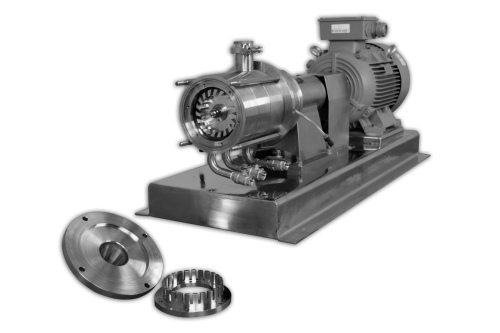
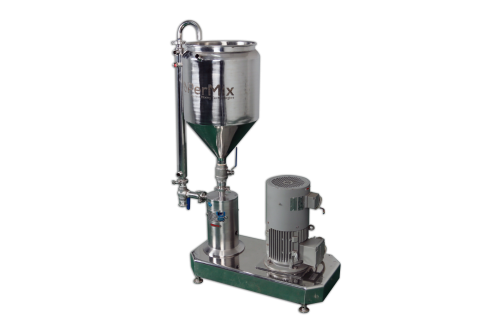
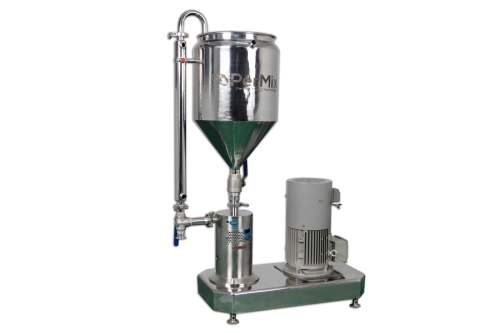
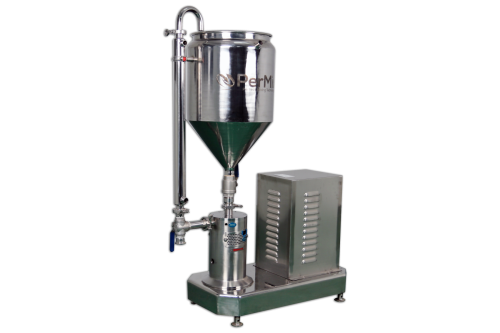
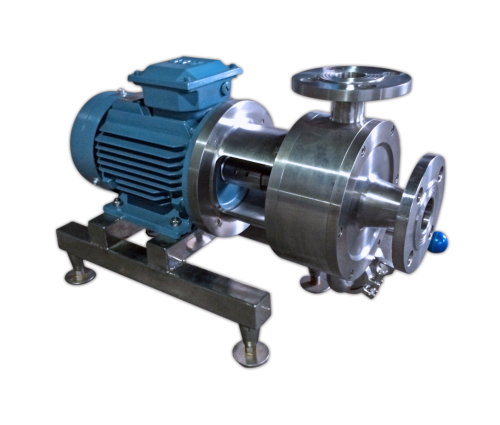
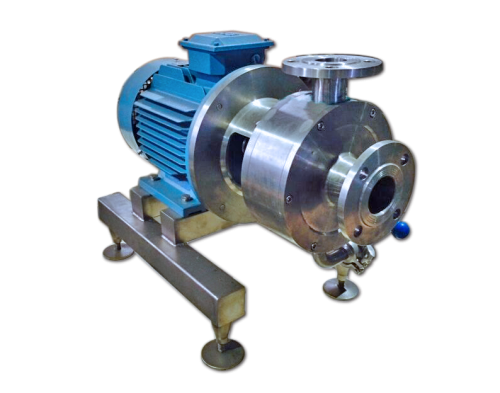
PerMix Emulsifiers & Inline Homogenizer Mixers are high-shear systems designed for inline or continuous operation, installed outside the tank for efficient processing.
An emulsifier is used when two or more immiscible phases—most commonly oil and water—must be combined into a stable, uniform product. In UK and EU manufacturing, emulsifiers are essential wherever product consistency, shelf life, appearance, and performance are tightly controlled.
Without proper emulsification, products are prone to phase separation, instability, inconsistent texture, and shortened shelf life. An industrial emulsifier applies controlled mechanical energy to reduce droplet size and distribute one phase evenly within another, creating a stable emulsion that performs predictably throughout processing, filling, storage, and end use.
UK and EU manufacturers rely on emulsifiers to address common production challenges such as:
Oil separation in sauces, dressings, and beverages
Inconsistent texture in creams, lotions, and gels
Poor dispersion of actives in pharmaceutical or nutraceutical products
Batch-to-batch variability in coatings, chemicals, and specialty formulations
By creating a fine, uniform dispersion, emulsifiers improve product stability, mouthfeel or texture, visual appearance, and functional performance.
Effective emulsification reduces droplet size and increases surface area, which:
Prevents separation over time
Reduces creaming or sedimentation
Improves resistance to temperature fluctuations
Enhances overall product stability
This is especially critical in food, cosmetic, pharmaceutical, and chemical applications where quality consistency is non-negotiable.
Modern industrial emulsifiers are designed for continuous or batch processing, allowing manufacturers to:
Reduce processing time
Improve repeatability
Lower energy consumption compared to repeated batch rework
Scale from pilot to full production with confidence
Inline emulsifiers, in particular, integrate easily into existing process lines, reducing manual handling and improving hygiene.
Emulsifiers supplied for UK and EU use can be engineered with:
UKCA and CE marking
Hygienic designs suitable for food and pharmaceutical production
ATEX-rated configurations for solvent-based or hazardous environments under DSEAR regulations
Materials of construction, sealing systems, and cleaning options are selected to align with regulatory and operational requirements.
Across the UK and EU, emulsifiers are essential in:
Food & beverage manufacturing
Pharmaceutical and nutraceutical production
Cosmetics and personal care
Chemicals, coatings, and specialty materials
In short, an emulsifier is chosen not just to mix—but to control structure, stability, and performance. When product quality, shelf life, and process reliability matter, emulsification becomes a critical step, not an optional one.
A PerMix emulsifier works by applying controlled high shear energy to force immiscible phases—most commonly oil and water—into a stable, uniform dispersion. Rather than simply stirring ingredients together, the emulsifier actively reduces droplet size and distributes it evenly, creating products that remain consistent during processing, filling, storage, and use.
At its core, the emulsifier converts mechanical energy into intense hydraulic and shear forces—precisely where instability normally begins.
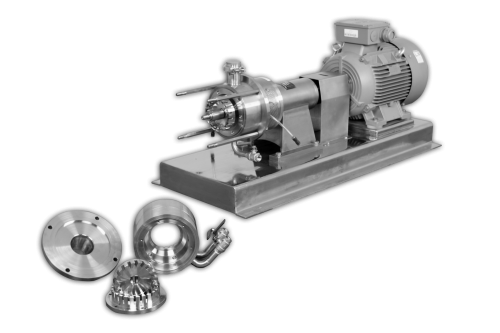
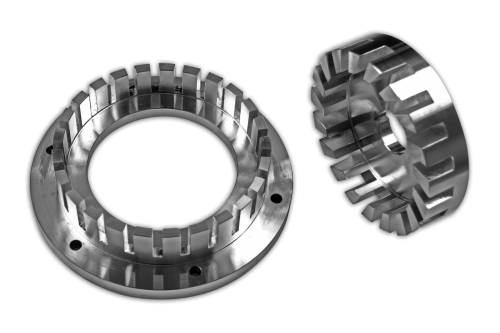
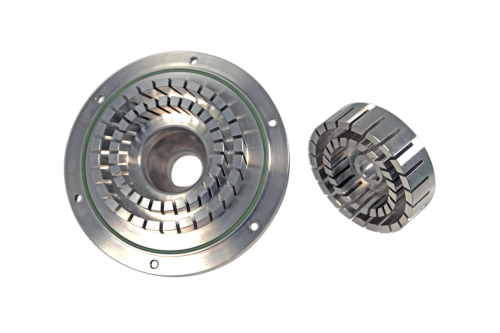
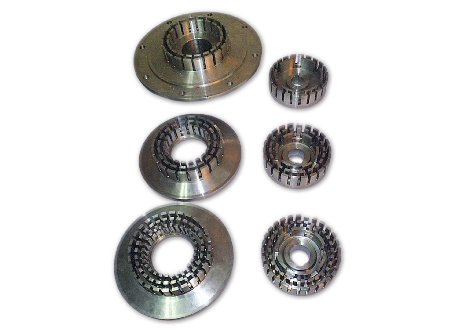
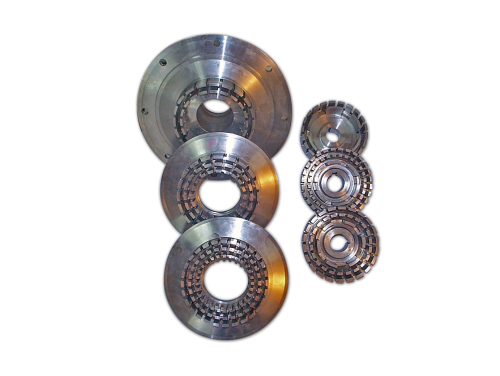
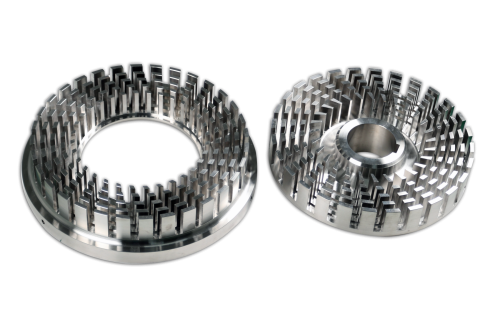
Inside the emulsifier is a rotor–stator assembly. Product is drawn into the mixing head, where it is forced through very tight tolerances between the rapidly rotating rotor and the stationary stator.
This creates three simultaneous effects:
High shear: Breaks large droplets into much smaller ones
Turbulence: Ensures rapid and uniform distribution
Hydraulic pressure drop: Forces phases to combine at the microscopic level
The result is a fine, repeatable droplet size distribution, which is the single most important factor in emulsion stability.
PerMix emulsifiers can be configured for inline or batch processing, depending on production needs.
In inline operation, the emulsifier is installed directly in the process line. Product passes continuously through the mixing head, making this ideal for:
High-throughput production
Consistent, repeatable emulsions
Hygienic, closed-system processing
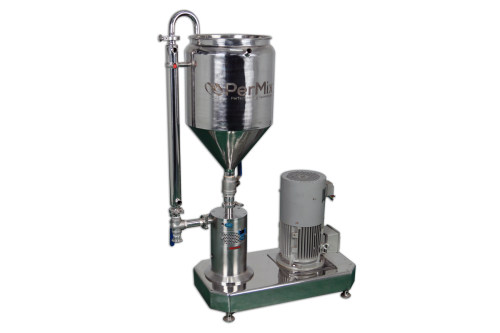
In batch operation, the emulsifier recirculates product from a tank through the high-shear head until the desired consistency is achieved. This approach offers flexibility for:
Variable formulations
R&D and pilot-scale work
Precise control over shear exposure
The effectiveness of an emulsion depends on how small and uniform the droplets are. PerMix emulsifiers are engineered to deliver:
Reduced droplet size
Narrow size distribution
Improved resistance to separation, creaming, or settling
This directly improves shelf life, texture, appearance, and performance across food, pharmaceutical, cosmetic, and chemical products.
Despite the high shear involved, PerMix emulsifiers are designed to apply energy efficiently and precisely, avoiding unnecessary heat buildup or over-processing. This is especially important for:
Heat-sensitive ingredients
Volatile compounds
Active or functional ingredients
When required, emulsifiers can be paired with jacketed tanks, temperature control, or vacuum systems to further protect product integrity.
PerMix emulsifiers supplied in the UK and EU can be engineered with UKCA and CE marking, hygienic construction, and ATEX-rated configurations where required under DSEAR regulations. Materials of construction, seals, and cleaning options are selected to suit both regulated and industrial environments.
In practical terms, a PerMix emulsifier doesn’t just mix ingredients—it controls structure at the microscopic level. That’s why emulsifiers are chosen when stability, repeatability, and product performance matter more than simply blending components together.
Choosing between a standard mixer, a shear pump, or a high-shear emulsifier isn’t about preference—it’s about physics, product stability, and risk. In UK and EU processing, the wrong choice usually shows up later as separation, rework, wasted energy, or failed shelf-life testing.
This guide breaks it down cleanly.
A conventional mixer (propeller, paddle, anchor, ribbon, etc.) is appropriate when the goal is bulk movement, not structural change.
Best suited for:
Simple blending of miscible liquids
Dissolving solids into liquids
Gentle agitation or heat transfer
Keeping materials suspended
Limitations:
Cannot reduce droplet size effectively
Cannot stabilise oil/water systems
Separation is likely over time
If oil and water naturally want to divorce—and you don’t stop them—they will.
A shear pump sits between a mixer and an emulsifier. It provides moderate shear, primarily for dispersion and circulation, not true emulsification.
Best suited for:
Breaking up soft lumps
Dispersing powders into liquids
Improving tank turnover and uniformity
Supporting inline circulation
Limitations:
Droplet size reduction is limited
Emulsion stability is inconsistent
Not sufficient for long shelf life or fine textures
Shear pumps help processes move—but they don’t fundamentally restructure the product.
An emulsifier is required when product stability, texture, and repeatability are critical. This is where physics gets serious.
Best suited for:
Oil-in-water or water-in-oil systems
Products requiring long shelf life
Fine textures, mouthfeel, or appearance
Tight batch-to-batch consistency
Downstream filling, coating, or spray processes
An emulsifier reduces droplet size to the micron or sub-micron level, creating a stable internal structure that resists separation, temperature changes, and storage stress.
This is non-negotiable in:
Food & beverage emulsions
Pharmaceuticals & nutraceuticals
Cosmetics & personal care
Chemicals, coatings, and specialty materials
If stability matters, shear alone isn’t enough—controlled high shear is required.
Once an emulsifier is selected, configuration matters:
Inline emulsifiers
Best for continuous production, hygienic closed systems, and repeatability at scale.
Batch / recirculating emulsifiers
Ideal for R&D, pilot plants, and formulations requiring fine tuning.
Both achieve the same physics—the choice depends on throughput and flexibility.
If you just need to move ingredients → standard mixer
If you need to disperse or assist mixing → shear pump
If you need to control structure and stability → emulsifier
Most separation problems aren’t formulation failures—they’re equipment mismatches.
Emulsifiers supplied by PerMix are engineered for UKCA and CE compliance, hygienic construction, and ATEX-rated operation where required under DSEAR regulations. Inline or batch, the goal is the same: predictable performance without rework.
High-shear emulsifiers are used across the UK and European manufacturing landscape wherever product stability, texture, and repeatability are critical. In many processes, emulsification is not a secondary step—it is the defining operation that determines whether a product succeeds or fails in the market.
Emulsifiers supplied by PerMix are applied across a wide range of industries, each with its own regulatory, technical, and commercial pressures.
In food and drink production, emulsifiers are essential for creating stable, visually consistent, and shelf-ready products. Typical applications include:
Sauces, dressings, marinades, and condiments
Dairy and dairy-alternative beverages
Flavoured oils, emulsified fats, and syrups
Nutritional and functional drinks
High-shear emulsification improves mouthfeel, prevents oil separation, and ensures consistent flavour distribution—while supporting hygienic, closed-loop processing required in UK and EU food plants.
In regulated life-science environments, emulsifiers are used to ensure uniform dispersion of actives and predictable bioavailability. Applications include:
Liquid and semi-solid dosage forms
Suspensions and emulsified carriers
Vitamin, mineral, and botanical formulations
Controlled droplet size and repeatability are critical for validation, batch consistency, and downstream filling.
Cosmetic and personal care products rely heavily on emulsification to control texture, appearance, and sensory performance. Common uses include:
Creams, lotions, gels, and serums
Ointments and balms
Hair and skin care formulations
Fine emulsions improve stability, prevent phase separation, and deliver the smooth textures expected by consumers.
In chemical processing, emulsifiers are used to stabilise complex formulations where consistency directly affects performance. Applications include:
Coatings, paints, and dispersions
Adhesives and sealants
Specialty chemical blends
ATEX-ready configurations support safe operation under DSEAR regulations where solvents or hazardous materials are present.
Emulsifiers are increasingly used in advanced and industrial applications such as:
Lubricants and industrial fluids
Process chemicals and additives
Specialty emulsions for energy, battery, or material science applications
Here, emulsification supports performance, stability, and process reliability under demanding conditions.
Across all these industries, the reason for using an emulsifier is the same: control. Control over droplet size, structure, stability, and repeatability. When UK and EU manufacturers need products that perform the same way every time—on the line, on the shelf, and in use—emulsification becomes a core process, not an optional upgrade.
The natural next step after this section is “Emulsifier Types & Configurations for UK / EU Production”—that’s where buyers start narrowing down exact models and specifications.
For manufacturers operating in the UK and European Union, emulsification isn’t just about mixing—it’s about process reliability, regulatory confidence, and commercial consistency. High-shear emulsifiers deliver measurable advantages that directly support modern production demands across regulated and industrial environments.
Emulsifiers supplied by PerMix are engineered to align with how UK and EU plants actually operate—under pressure to reduce waste, improve quality, and stay compliant.
Effective emulsification delivers uniform droplet size and distribution, which translates into:
Reduced phase separation
Improved texture, appearance, and mouthfeel
Longer, more predictable shelf life
This consistency reduces customer complaints, rework, and failed stability testing—critical in competitive UK and EU markets.
High-shear emulsifiers shorten processing times by achieving target results faster and in fewer passes. This leads to:
Shorter batch cycles
Reduced energy consumption
Higher line throughput
Inline configurations further improve efficiency by eliminating manual transfers and unnecessary tank residence time.
Poor emulsification often shows up late—as separation during filling or storage. Proper emulsification:
Minimises off-spec batches
Reduces raw material losses
Lowers disposal and reprocessing costs
For UK and EU manufacturers facing rising material and energy costs, this is a direct bottom-line benefit.
PerMix emulsifiers are designed to support true scale-up. Process conditions established in R&D or pilot systems can be carried directly into production equipment, reducing risk during commercialisation and product launches.
For UK and EU operations, equipment compliance is non-negotiable. Emulsifiers can be supplied with:
UKCA and CE marking
Hygienic designs suitable for food, pharmaceutical, and cosmetic production
ATEX-rated configurations for hazardous or solvent-based processes under DSEAR regulations
This simplifies audits, validations, and internal approvals.
Emulsifiers give manufacturers control at the microscopic level, allowing tighter tolerances on:
Droplet size
Product structure
Batch-to-batch repeatability
This control is essential where downstream filling, coating, spraying, or dosing performance depends on consistent rheology.
While emulsifiers are often viewed as a specialised investment, they frequently reduce overall operating costs by:
Eliminating rework and waste
Reducing processing time
Improving first-pass yield
Extending product shelf life
Over time, the system pays for itself by stabilising both product quality and production economics.
When defining your emulsifier system, consider:
For reliable emulsification and dispersion, trust the PerMix UK Emulsifier.
Contact PerMix UK with your material properties, throughput goals, and compliance requirements. We’ll configure a system optimised for your UK/EU facility.
PerMix is here to listen to your needs and provide sustainable solutions. Contact us to discover more.
PerMix Emulsifier Videos